



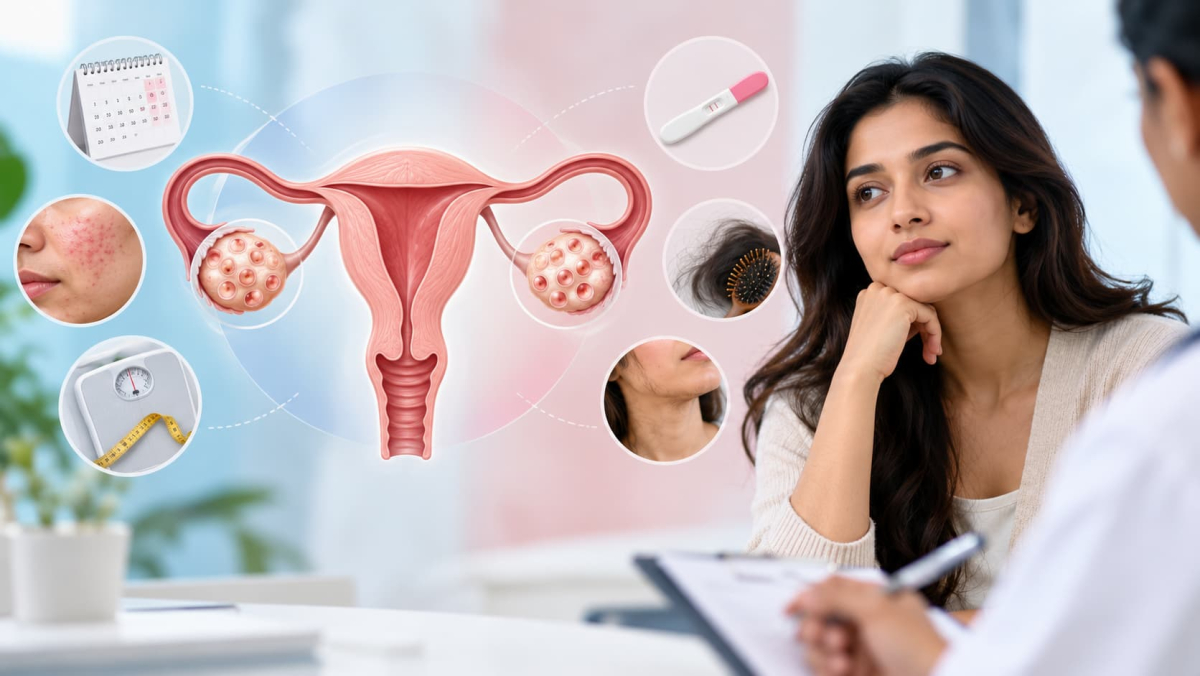
If a gynaecologist just used one of these terms on you, or you've been Googling symptoms at 1 a.m. trying to figure out which one applies, this guide is built to actually settle it. We'll walk through what each term means biologically, how doctors assess the symptoms, what it means for your fertility, and what genuinely helps — without the scare tactics or the vague "just lose weight" advice that usually shows up first in search results.
Two Terms, One Confusing Overlap
Here's the honest starting point: PCOD and PCOS get used almost interchangeably in everyday conversation, and even in some clinics, which is exactly why the confusion runs so deep. But from a medical standpoint, PCOS is an internationally recognized endocrine and metabolic condition, while PCOD is commonly used to describe ovarian changes or symptoms that may overlap with PCOS. PCOD isn't a separately standardized diagnosis, and it shouldn't automatically be considered a milder condition. Getting the terminology right matters because it helps you understand what kind of evaluation and treatment actually applies.
What Is PCOD?
PCOD, or Polycystic Ovarian Disease, is a term commonly used in India to describe hormonal changes, irregular ovulation, or the appearance of multiple small follicles in the ovaries. These follicles are not necessarily true ovarian cysts, and their presence alone does not confirm a specific hormonal disorder.
For many women, symptoms described as PCOD include irregular periods, acne, occasional weight changes, and sometimes excess facial or body hair. These symptoms may respond well to changes in diet, exercise, and stress management, although some women also need medical treatment. It's worth knowing that PCOD isn't a formally standardized clinical diagnosis the way PCOS is; doctors should evaluate the symptoms rather than assume the condition is automatically mild.
What Is PCOS?
PCOS, or Polycystic Ovary Syndrome, is a recognized endocrine condition that can affect menstrual cycles, ovulation, hormone levels, and metabolic health. In adults, doctors generally diagnose PCOS after excluding other possible causes and identifying at least two of three features: irregular or absent ovulation, clinical or blood-test evidence of elevated androgen levels, or polycystic ovarian morphology. An ultrasound may show bilateral polycystic ovaries — meaning both ovaries have an increased number of small follicles — but this finding is not essential for every diagnosis. In some adults, anti-Müllerian hormone (AMH) testing can be used instead of ultrasound when appropriate. These recommendations are explained in the 2023 International Evidence-Based PCOS Guidelines.
Women with PCOS may experience insulin resistance, increasing their risk of type 2 diabetes and other metabolic health problems. Irregular cycles, acne, excess hair growth, and hair thinning are also common symptoms. However, symptoms and severity vary considerably. Some women manage their condition mainly through lifestyle changes and regular monitoring, while others need medication or fertility support.
Interestingly, in May 2026, international medical organizations announced a new name for PCOS: PMOS (Polyendocrine Metabolic Ovarian Syndrome). The change is intended to reflect how the condition affects multiple hormonal and metabolic systems rather than just the ovaries. The term PCOS remains widely understood during the transition to the new name.
PCOD vs PCOS: Where They Actually Differ
Once you see the pcod pcos difference laid out side by side, the confusion usually clears up fast. The key distinction is medical terminology and diagnosis, rather than two consistently separate diseases with fixed severity levels.
| Factor | PCOD (Common Usage) | PCOS (Recognized Medical Diagnosis) |
|---|---|---|
| Nature | Informal term often used for ovarian or hormonal changes | Recognized endocrine and metabolic condition |
| Root cause | No separately established cause or diagnostic definition | Complex hormonal, genetic, and metabolic factors |
| Severity | Cannot be assumed to be mild | Varies from mild symptoms to significant health complications |
| Fertility impact | Depends on actual ovulation and underlying diagnosis | May affect ovulation and fertility, but pregnancy is often possible |
| Weight gain | May occur alongside hormonal symptoms | May occur, sometimes associated with insulin resistance |
| Long-term risk | Depends on the underlying medical condition | Increased risk of certain metabolic complications |
| Treatment | Depends on symptoms and confirmed diagnosis | Individualized lifestyle measures, monitoring, and medication when needed |
The Difference Between PCOS and PCOD, Explained Simply
Think of it this way: PCOD is a term you may hear when a doctor describes irregular periods, hormonal changes, or ovaries with multiple follicles. PCOS is a specific clinical diagnosis based on a combination of hormonal and reproductive findings.
So in pcod vs pcos terms, having polycystic-looking ovaries on an ultrasound does not automatically mean you have PCOS. Similarly, a woman can have PCOS without polycystic ovarian morphology on an ultrasound. That's the real distinction doctors assess, even when the terms get used loosely in daily conversation.
The important thing is not which label sounds more serious, but whether your symptoms suggest ovulation problems, elevated androgen levels, or metabolic risks that need attention.
Why the Fertility Worry Hits So Hard
This is usually the part that causes the most panic, so it's worth addressing directly. Hormonal conditions affecting ovulation can make conception more difficult, but that doesn't mean pregnancy is out of reach.
With PCOS, ovulation may happen irregularly or sometimes not at all, making it harder to predict fertile days. PCOS is one of the most common causes of anovulatory infertility, but many women conceive naturally or with appropriate treatment. For women who have been told they have PCOD, fertility depends on their actual symptoms, ovulation patterns, age, and underlying diagnosis — not simply the term used.
When ovulation is irregular, a gynaecologist may recommend lifestyle adjustments, further evaluation, or ovulation-inducing medication when pregnancy is the goal. Some women may also benefit from assisted reproductive techniques. Fertility care should be individualized rather than assuming every woman with PCOS will struggle to conceive.
Understanding the World Health Organization's guidance on PCOS can also help put fertility concerns and long-term health risks into perspective without unnecessary panic.
PCOD Problem Solution: What Actually Helps
For women searching for a genuine pcod problem solution, the good news is that many hormonal and menstrual symptoms can improve with consistent lifestyle changes. However, the right treatment depends on whether the underlying condition is PCOS or another hormonal or reproductive issue.
What tends to make the biggest difference:
-
Consistent movement. Regular exercise, even 30 minutes of brisk walking most days, can improve metabolic health and insulin sensitivity and may support more regular cycles over time.
-
Balanced meals. Choosing fibre-rich foods, adequate protein, healthy fats, and fewer highly processed foods supports overall metabolic health without requiring an extreme diet.
-
Weight management, where relevant. For women who would benefit from weight loss, even modest changes can improve metabolic markers and sometimes menstrual regularity. Healthy lifestyle changes also provide benefits without weight loss.
-
Stress and sleep. Chronic stress and poor sleep can affect overall health and make symptoms harder to manage, so addressing these is part of a sustainable care routine.
-
Medical follow-up. Even mild symptoms benefit from periodic check-ins with a gynaecologist to monitor cycle patterns, evaluate hormone-related symptoms, and identify whether additional testing or treatment is needed.
Lifestyle changes can improve symptoms significantly, but they do not guarantee a permanent cure. Some women may also need prescription medication depending on their clinical findings.
Managing PCOS: A Different Level of Care
Because PCOS can involve hormonal, reproductive, and metabolic effects, treatment is usually personalized according to symptoms, metabolic risks, and pregnancy goals. Lifestyle changes are recommended for everyone, while medication is used when clinically appropriate.
-
Hormonal birth control may be prescribed to regulate menstrual bleeding and reduce androgen-related symptoms such as acne and excess hair growth in women who are not trying to conceive.
-
Metformin, commonly used for diabetes, may be prescribed in selected cases to help address metabolic concerns associated with PCOS. It is not required for every patient.
-
Fertility medications, including ovulation-inducing treatments such as letrozole, may be recommended when pregnancy is the goal and ovulation isn't happening reliably. Treatment should be supervised by a qualified clinician.
-
Regular metabolic screening for blood sugar, cholesterol, and blood pressure is important because PCOS is associated with increased long-term metabolic risks.
-
Mental health support matters too. PCOS is associated with higher rates of anxiety and depression, partly due to symptoms like weight changes and hair concerns, and partly due to the emotional weight of fertility uncertainty.
Treatment is not one-size-fits-all. Some women achieve good symptom control through lifestyle changes and monitoring, while others need medication or specialist care.
Which Doctor Should You Actually See?
This trips a lot of people up. For most initial symptoms — irregular periods, suspected ovarian changes, or hormonal signs — a gynaecologist is the right starting point, since they can evaluate menstrual history, symptoms, examination findings, and the need for blood tests or ultrasound. If metabolic concerns such as elevated blood sugar or significant insulin resistance are present, your gynaecologist may involve or refer you to an endocrinologist, who specializes in hormone and metabolic disorders. Women with fertility concerns may also benefit from a reproductive medicine specialist.
If you're unsure whether a remote appointment is enough for your symptoms, our guide on telehealth vs in-person visits explains when an online consultation may be suitable and when a physical examination is necessary.
When to Stop Guessing and Get Checked
See a doctor if you're experiencing periods that have stopped entirely or become persistently unpredictable, sudden or significant weight changes, excessive hair growth or new hair thinning, or difficulty conceiving. Fertility evaluation is generally recommended after 12 months of trying for women under 35 and after 6 months for women aged 35 or older. However, women with very irregular or absent periods should seek advice earlier.
You don't need a dramatic symptom list before getting checked. Early evaluation helps identify hormonal concerns, rule out other causes, and create a practical treatment plan.
Talk to a Gynaecologist Who Can Actually Diagnose It
Reading about symptoms only goes so far — your menstrual history, symptoms, clinical examination, and any appropriate tests help a doctor determine whether you're dealing with PCOS or another hormonal condition. MedEasy helps you explore consultation options, discuss your concerns with healthcare professionals, and understand the next steps for testing or treatment.
If you're concerned about irregular periods, fertility, or possible PCOS symptoms, you can browse available doctors and consultation options on MedEasy to find an appropriate healthcare professional.
Medical Disclaimer: This article is intended for general educational purposes only and does not replace professional medical advice, diagnosis, or treatment. Symptoms, fertility concerns, and treatment requirements vary between individuals. Consult a qualified healthcare professional for personalized guidance.