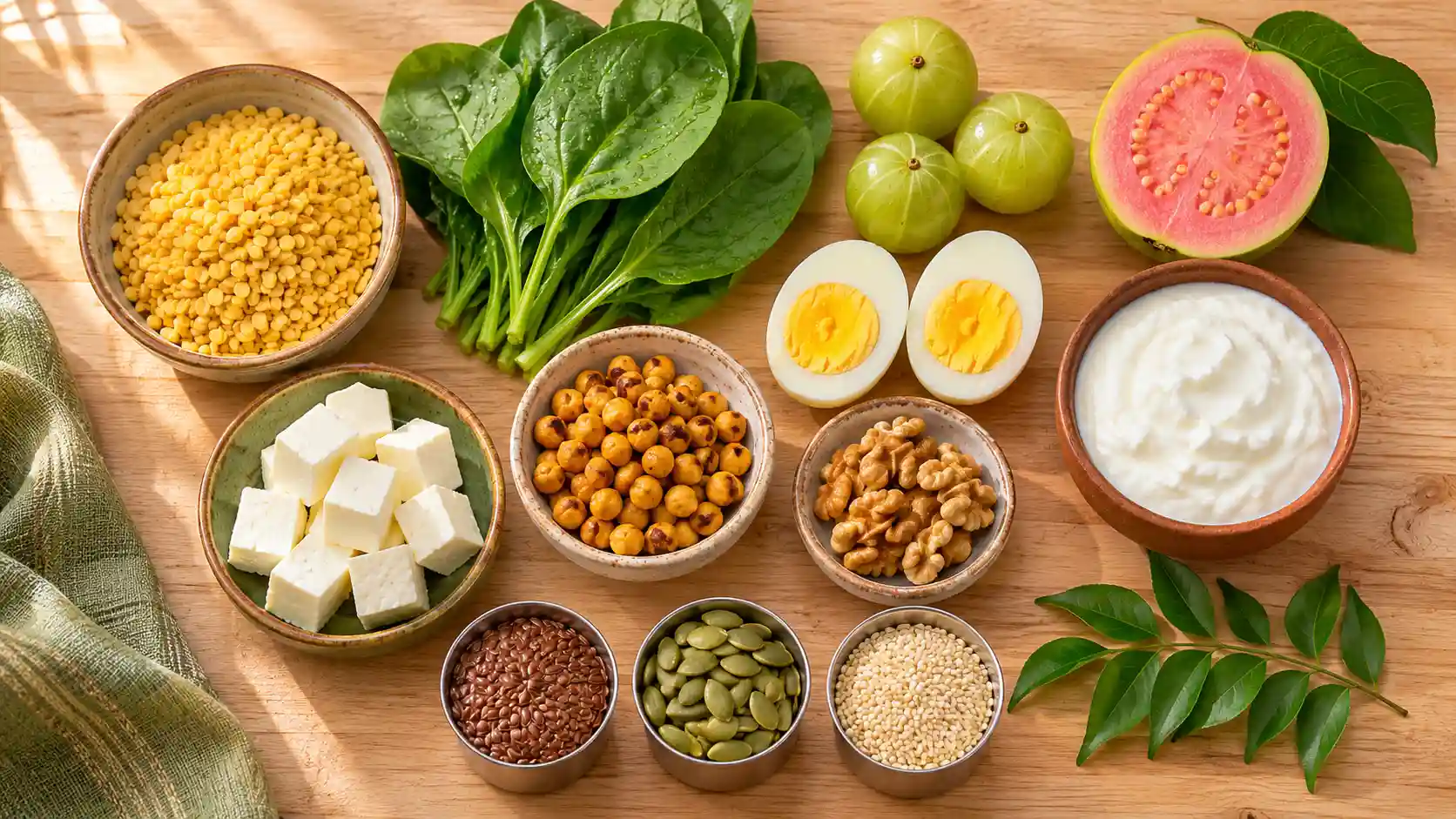
Quick answer: The best foods good for hair are eggs, spinach, amla, lentils, nuts, seeds, curd, and fish, because they give your hair the protein, iron, zinc, vitamin C, and omega-3 it needs. Eat them daily and combine them well; no single item works alone.
You oil your scalp every week, switch shampoos every few months, and still find a clump of hair in the drain. Sound familiar? Hair is built from the inside, and the best food good for hair is usually already sitting in your kitchen. This guide ranks 15 everyday picks, explains why each one helps, and shows how to combine them on an Indian plate without spending much.
Why Oils and Shampoos Can’t Do the Whole Job
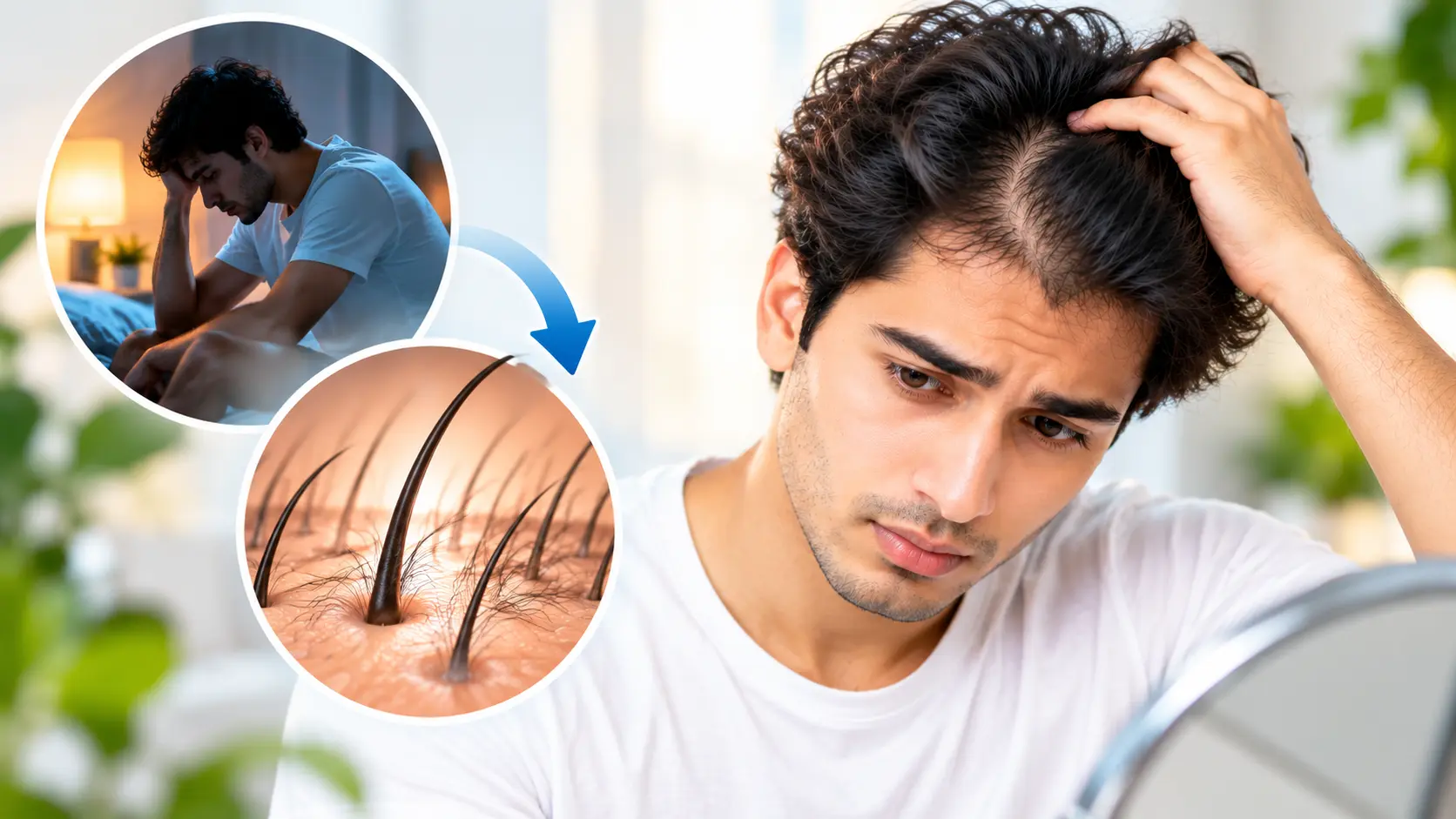
Oil and shampoo look after the hair you can see. What decides how much hair you grow is the follicle, a tiny factory under the skin that needs a steady supply of nutrients. When protein, iron, or vitamin D run low, the body treats hair as non-essential and quietly pushes follicles into a resting phase. A few months later, you notice more strands on your pillow.
That is why starting with Indian foods for hair loss makes sense for so many people. A typical vegetarian thali can fall short on protein, iron, B12, and vitamin D without anyone noticing. Fixing those gaps will not cure inherited pattern baldness, but it removes a very common and very fixable cause of thinning.
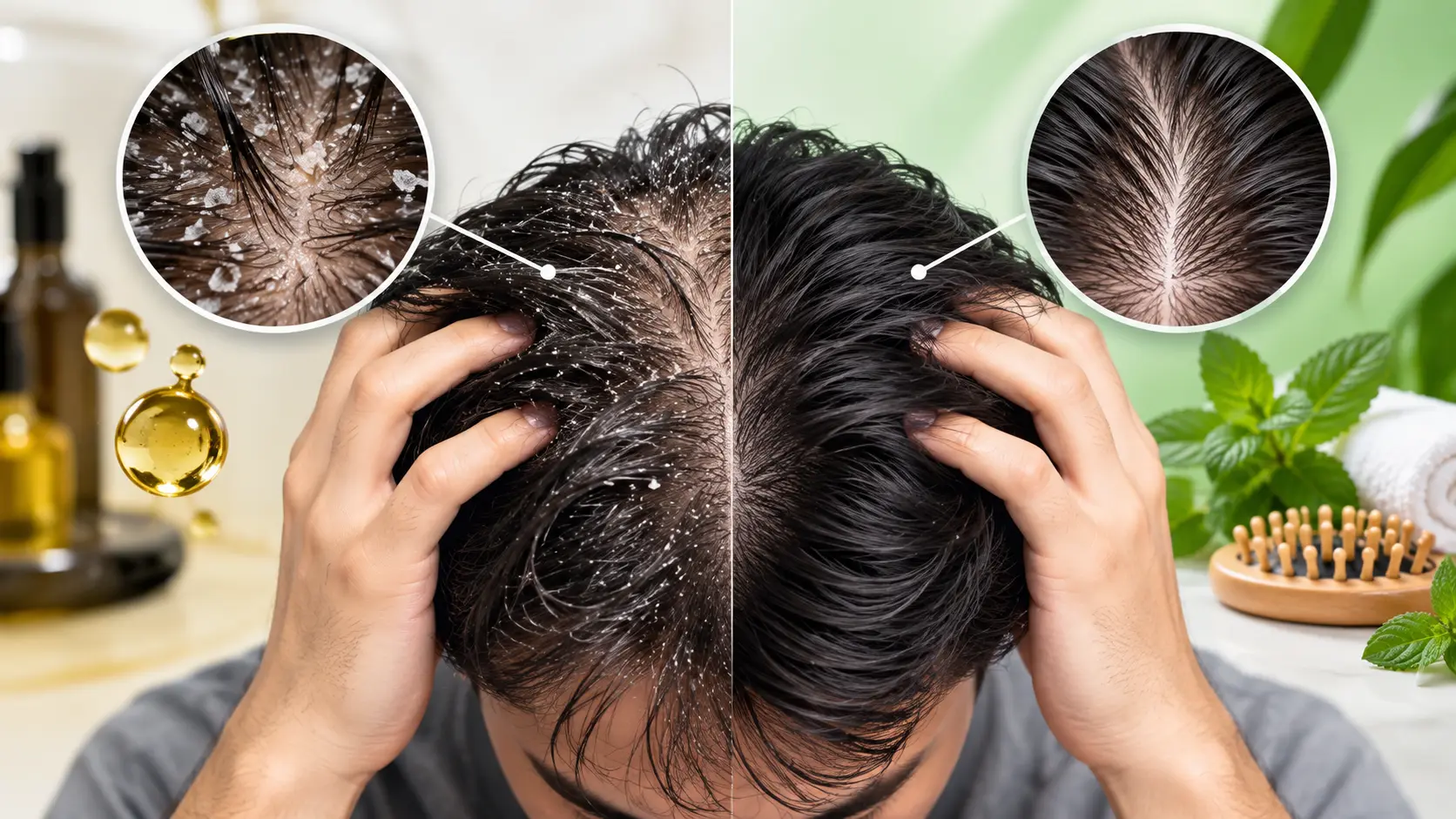
None of this means you should stop oiling. A gentle weekly champi can reduce dryness and breakage, and many people simply enjoy it. Just remember that oil sits on the surface. If the follicle is underfed, no bottle can make up for it. And if your shedding comes with flakes or a greasy scalp, read our guide on hair fall caused by dandruff and an oily scalp.
What Makes a Food Good for Hair? The Short Science
Hair is almost entirely keratin, a protein. Follicles are also among the fastest-dividing cells in the body, so they react early when nutrition slips. An ingredient earns a place on a hair-friendly plate when it supplies one or more of these:
- Protein to build keratin
- Iron and zinc to support follicle growth and repair
- Vitamin C to help absorb iron and make collagen
- Vitamin D, B12, and folate to support the growth cycle and healthy cell division
- Omega-3 fats and vitamin E to keep the scalp nourished
Research on diet and hair loss links low iron, zinc, and vitamin D with increased shedding. Taking in more than you need, however, does not make hair grow faster. The goal is to close gaps, not to chase mega-doses.
Vitamins for Hair Growth: What Your Body Actually Needs
Here is a quick, honest look at the vitamins for hair growth that matter most.
- Vitamin C: helps you absorb plant iron and supports collagen around follicles.
- Vitamin D: involved in follicle cycling. Low levels are very common in India, even in sunny cities.
- Vitamin B12: found almost only in animal foods, so vegetarians face a higher risk of running low.
- Folate and other B vitamins: support cell division in the follicle.
- Biotin: true deficiency is rare, and extra biotin has not been shown to help people who are not deficient.
- Vitamin A: needed in small amounts, but too much can actually trigger hair shedding.
- Vitamin E: an antioxidant in nuts and seeds that supports scalp health.
Meals cover most of these. A simple blood test shows where you really stand.
15 Everyday Indian Foods That Help Your Hair
Protein Builders
1. Eggs
Two eggs give roughly 12 grams of protein plus biotin, zinc, and B12. Boiled, bhurji, or an onion omelette all work. Cooked eggs are also easier to digest than raw ones.
2. Dal and Lentils
Moong, masoor, and toor dal supply protein, iron, folate, and zinc at a very low price. Pair dal with rice for a more complete protein, and add a squeeze of lemon to improve iron absorption.
3. Curd and Paneer
Both bring protein, calcium, and some B12, which matters if you eat no meat. Choose plain, unsweetened versions and have them with your main meal. Paneer is a good dinner option for vegetarians who struggle to reach their protein target.
4. Chickpeas (Chana)
Roasted chana, chole, or sprouts deliver protein, iron, zinc, and folate. A handful of roasted chana makes a cheap evening snack that replaces biscuits, and it keeps you full until dinner.
Iron and Zinc Sources
5. Spinach (Palak)
Palak gives iron, folate, and vitamin A precursors. Plant iron absorbs less easily, and spinach contains compounds that reduce absorption further, so add lemon or tomato and avoid tea with the meal.
6. Drumstick Leaves (Moringa)
Used in sambar, thoran, or dry sabzi, the leaves carry iron, vitamin C, and calcium. Fresh leaves are seasonal, so dried leaf powder stirred into dal is a fair backup. Drumstick pods in sambar add a little extra fibre and vitamin C too.
7. Sesame Seeds (Til)
Til offers zinc, iron, and calcium. Sprinkle roasted seeds on rotis or salads, or enjoy til chikki in winter. Two teaspoons a day is a realistic amount.
8. Pumpkin Seeds
Among the richest everyday sources of zinc, which supports follicle repair. A small handful added to poha, oats, or a salad goes a long way, and a light dry roast brings out the flavour.
Vitamin C and Antioxidant Picks
9. Amla
Weight for weight, Indian gooseberry carries far more vitamin C than an orange. Eat it raw with a pinch of salt, as murabba, or as juice. Proof that amla itself regrows hair is limited, but its vitamin C helps your body use iron.
10. Guava
A single guava delivers a big share of your daily vitamin C. Having it alongside an iron-rich meal improves absorption, and it costs very little. Eat the skin and seeds too, since that is where much of the fibre sits.
11. Sweet Potato (Shakarkandi)
Beta-carotene turns into vitamin A, which helps scalp glands make the natural oil that keeps hair supple. Roast it, boil it, or toss it into chaat. Eating it with a little ghee or oil helps your body absorb the beta-carotene. Stay with food rather than vitamin A pills, since excess is harmful.
12. Curry Leaves
Used daily in tadka, they add small amounts of iron and antioxidants. Tradition credits them for dark, strong hair, but solid human studies are lacking, so treat them as a tasty bonus rather than a cure.
Omega-3 Foods for Hair and Scalp Health
13. Flaxseeds (Alsi)
Ground flaxseed is a plant source of ALA, a type of omega-3. Whole seeds often pass through undigested, so grind them first. Stir a teaspoon into curd, atta, or a smoothie, and keep the powder in the fridge so the oils do not turn rancid.
14. Walnuts (Akhrot)
Walnuts offer ALA, vitamin E, and zinc. Four or five halves a day is plenty. Soak them overnight if you find them heavy.
15. Fatty Fish
Sardines (mathi) and mackerel (bangda) provide EPA and DHA omega-3s along with protein, B12, and vitamin D. Two servings a week is a sensible target. Grilled or curried is better than deep-fried. Vegetarians can lean on flax and walnuts instead.
Vegetarian or Non-Vegetarian: What Changes?
Both kinds of plate can support strong hair, but the weak spots differ. Vegetarians usually need to watch vitamin B12, vitamin D, and iron, because plant sources are limited or absorb poorly. Fortified foods, dairy, and a doctor-approved supplement can fill the gap if tests show a shortfall. Non-vegetarians get B12 and easily absorbed iron from eggs, fish, and poultry, but they can still fall short on vitamin C and fibre when meals are mostly meat and refined carbs.
In both cases, variety wins. Rotating dals, greens, seeds, and fruits through the week gives your body a wider range of nutrients than eating the same three dishes on repeat.
Foods for Hair Growth at a Glance
| Food | Main benefit | Easy way to eat it |
|---|---|---|
| Eggs | Protein, biotin, B12 | Boiled or bhurji |
| Dal | Protein, iron, folate | Daily dal with rice or roti |
| Curd and paneer | Protein, calcium | With lunch |
| Chana | Protein, zinc | Roasted snack |
| Palak | Iron, folate | Cooked with lemon |
| Moringa leaves | Iron, vitamin C | In sambar |
| Til | Zinc, iron | On rotis |
| Pumpkin seeds | Zinc | Mixed into poha |
| Amla | Vitamin C | Raw with salt |
| Guava | Vitamin C | Afternoon snack |
| Sweet potato | Beta-carotene | Roasted |
| Curry leaves | Antioxidants | In tadka |
| Flaxseed | Omega-3 (ALA) | Ground into curd |
| Walnuts | Omega-3, vitamin E | Soaked overnight |
| Fatty fish | Omega-3, B12, D | Twice a week |
A Simple Day of Eating
You do not need a complicated diet for hair thickness. Think in plates, not powders. Here is one sample day that works for vegetarians:
- Breakfast: moong dal chilla with curd, plus a guava or a few amla slices
- Mid-morning: a handful of walnuts and pumpkin seeds
- Lunch: dal, rice or roti, palak sabzi, and a salad with lemon
- Evening: roasted chana or a sprouts chaat
- Dinner: paneer or egg curry with vegetables and roti
A non-vegetarian day could look like this: two boiled eggs and fruit for breakfast, dal with rice and a green sabzi for lunch, a small bowl of curd with ground flaxseed in the evening, and grilled or curried fish with roti and salad for dinner, twice a week. On other days, chicken or egg curry can take its place. Two small habits help a lot. Pair iron-rich meals with a vitamin C source, and keep tea or coffee at least an hour away from main meals, since they reduce iron absorption.
Three Five-Minute Ideas to Start Today
Small, repeatable habits beat big plans. Try one of these this week:
- Upgrade your tadka. Add a spoon of roasted sesame or crushed pumpkin seeds to a plain dal or sabzi right before serving.
- Make a seed mix. Dry roast flax, sesame, and pumpkin seeds, grind them coarsely, and keep the jar on the counter. A teaspoon on curd, roti, or salad is all you need.
- Swap one snack. Replace biscuits or namkeen with roasted chana, a guava, or a boiled egg for a week and see how you feel.
Food First, Supplements Second
Supplement ads promise thick hair in 30 days. The evidence is weaker than the marketing. Biotin helps when you are truly deficient, which is rare, and high doses can interfere with some lab tests. Iron, vitamin D, and zinc are worth supplementing only after a blood test shows you need them, and in the dose your doctor suggests. As the American Academy of Dermatology explains in its guide to hair loss causes, too much vitamin A or selenium can cause hair loss instead of preventing it. If your meals are balanced, you usually do not need more. Ask your doctor before starting any supplement, especially if you are pregnant, breastfeeding, or taking regular medicines.
Eating Well for Hair on a Budget
Hair-friendly meals do not need imported superfoods. Dal, chana, eggs, seasonal greens, guava, and groundnuts are some of the cheapest ways to get protein, iron, and vitamin C. Buy sesame, flax, and pumpkin seeds in small packets and store them in airtight jars so they stay fresh. Seasonal produce is usually cheaper and tastier, and a bowl of sprouts made at home costs a fraction of a packaged snack. Spend your money on variety, not on powders.
Habits That Quietly Undo Your Good Work
Even a great plate can be undone by daily habits. Crash diets and long gaps between meals tell your body to save energy, and hair is one of the first things it sacrifices. Poor sleep and constant stress raise cortisol, which can push more follicles into the resting phase. Smoking reduces blood flow to the scalp. Tight ponytails, harsh heat styling, and frequent chemical treatments weaken the strands themselves. Fixing food while ignoring these habits is like filling a bucket with a hole in it, so give them equal attention.
Hair Food Myths Worth Dropping
- “One superfood fixes everything.” No single ingredient can. Hair responds to the whole pattern of what you eat over months.
- “Rubbing egg or curd on the scalp feeds the follicle.” Nutrients reach follicles through the blood, not through the surface. A mask may leave hair feeling smoother, but it does not nourish the root.
- “More protein always means more hair.” Once you meet your needs, extra protein does not help. Spread a moderate amount across all meals instead of loading up at dinner.
- “Hair gummies are a shortcut.” Many contain small doses of a few vitamins and a lot of sugar. A balanced plate usually does more.
How Long Until You See a Difference?
Be patient. Hair grows about a centimetre a month, and shedding linked to poor nutrition usually slows two to three months after you correct the gap. Visible thickness often takes six months or more. Take a photo in the same light each month so you can judge progress honestly.
When Eating Better Isn’t Enough
Diet cannot fix inherited pattern hair loss, thyroid disease, PCOS, or scalp infections. See a doctor if you notice bald patches, a widening part, sudden heavy shedding, or tiredness alongside hair fall. A simple set of tests for iron stores (ferritin), vitamin D, B12, and thyroid often explains more than any shampoo. You can book these hair fall blood tests with home sample collection on MedEasy.
The Bottom Line
The best food good for hair is not a single superfood. It is a steady mix of protein, iron, zinc, vitamin C, and healthy fats, eaten most days for months. Start with two or three swaps from the list above, give them time, and get your levels checked if shedding continues. Healthy hair is a slow project, but it is one you can begin with your very next meal.
Talk to a Doctor About Your Hair Fall
If shedding continues even after you improve your meals, the cause may not be diet. MedEasy lets you book lab tests and online consultations, so a doctor can review your results and suggest the right next step. Book an online doctor consultation for hair fall on MedEasy.
Resources & Further Reading
- American Academy of Dermatology — Causes of Hair Loss
- PubMed Central — Diet and Hair Loss: Effects of Nutrient Deficiency and Supplement Use
- NIH Office of Dietary Supplements — Biotin Fact Sheet for Consumers
- NIH Office of Dietary Supplements — Iron Fact Sheet for Consumers